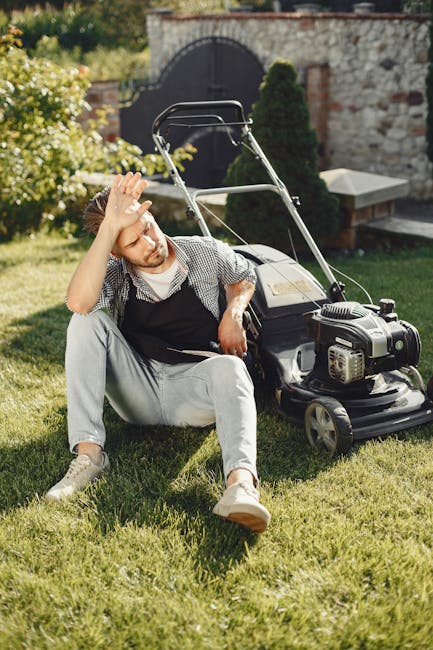
Emergency garden care Winchmore Hill same day gardeners
When a garden goes from tidy to troublesome overnight, you do not always need a long renovation plan. Sometimes you need practical help, quickly. That is where Emergency garden care Winchmore Hill same day gardeners comes in: rapid, hands-on support for damage, hazards, sudden overgrowth, fallen branches, blocked access, and those awkward outdoor problems that simply cannot wait until next week.
If you have ever stepped outside after a windy night and found a broken fence panel, a lawn covered in debris, or a tree limb leaning where it really should not be, you will know the feeling. A small issue can become a bigger one fast. This guide explains what same day emergency garden care involves, how it works, when it makes sense, and what to expect from a professional local response. We will also cover practical checks, common mistakes, and the best way to decide what should be dealt with urgently and what can safely wait.
Contents
- Why Emergency garden care Winchmore Hill same day gardeners Matters
- How Emergency garden care Winchmore Hill same day gardeners Works
- Key Benefits and Practical Advantages
- Who This Is For and When It Makes Sense
- Step-by-Step Guidance
- Expert Tips for Better Results
- Common Mistakes to Avoid
- Tools, Resources and Recommendations
- Law, Compliance, Standards, or Best Practice
- Options, Methods, or Comparison Table
- Case Study or Real-World Example
- Practical Checklist
- Conclusion
- Frequently Asked Questions
Why Emergency garden care Winchmore Hill same day gardeners Matters
Emergency garden care is not just about making a space look decent again. It is about reducing risk, stopping avoidable damage, and restoring order before a minor mess turns into a costly headache. In Winchmore Hill, where gardens often sit close to homes, paths, shared boundaries, and neighbours' fences, a compromised outdoor space can affect more than appearances.
Think of the common scenarios. A storm brings down part of a hedge and it is blocking the side return. A tree sheds heavy limbs into the lawn. A patch of slipping mud appears near a gate. Or perhaps a fast-growing border has suddenly swallowed the path, making access awkward and unsafe. These are the moments when same day response matters because delays can create trip hazards, water pooling, pest problems, or further structural damage.
There is also a simple comfort factor. When your garden is untidy for no real fault of your own, it can feel oddly stressful. A quick professional intervention can reset the space and your head a bit too. To be fair, that counts for something.
If the issue involves broken timber, fence instability, or garden structures that may need repair rather than just tidying, it can help to look at related services like fencing support and tree surgery for more serious branch or tree-related hazards.
How Emergency garden care Winchmore Hill same day gardeners Works
Same day garden care usually follows a fairly straightforward pattern. The key difference is speed. Instead of booking a future maintenance visit, the focus is on immediate triage: what is dangerous, what is obstructing access, what is likely to worsen, and what can be stabilised quickly.
1. Initial contact and quick assessment
You describe the problem in plain terms. A good response will not need poetry. It helps to mention whether the issue is due to weather, a broken structure, a blocked route, a fallen branch, or sudden overgrowth. Photos are useful if you have them, but a verbal description is often enough to begin with.
2. Prioritising the most urgent tasks
The first job is to make the space safe. That may mean clearing debris, removing loose material, cutting back dangerous growth, or securing a boundary. If the problem is mainly cosmetic, the team may still work quickly, but they will usually focus on the practical stuff first. Sensible order, really.
3. On-site work and tidy-up
Once on site, emergency gardeners typically work through the highest-risk issues first. This might include:
- removing fallen leaves, branches, and storm debris
- cutting back overhanging or blocking plants
- restoring access to doors, paths, and garden gates
- making unstable areas safer to walk past
- bagging and clearing green waste where agreed
Depending on the job, they may also recommend a follow-up visit for deeper maintenance, longer-term pruning, lawn recovery, or repair work. That is normal. Not everything can be fixed properly in one rushed visit, and honesty about that is a good sign.
4. Follow-up planning
After the immediate problem is under control, the next step is usually prevention. Maybe the hedge needs shaping, maybe a tree needs a more proper assessment, or maybe the garden simply needs a stronger seasonal maintenance routine. This is where a broader garden maintenance approach can save you from another emergency later on.
Key Benefits and Practical Advantages
The strongest reason people call same day gardeners is obvious: speed. But the real value goes beyond that. A fast response can save time, reduce worry, and prevent the kind of secondary damage that costs more to sort out later.
- Reduced safety risk: Loose branches, unstable fencing, slippery pathways, and obstructed access can all become hazards.
- Less property damage: Early intervention can stop a storm-damaged area from worsening in wind or rain.
- Better neighbour relations: A fast tidy-up helps avoid overhanging growth or debris drifting into adjoining properties.
- Clearer access: Side passages, bins areas, and back doors are restored more quickly.
- More control during stressful moments: A garden problem feels less overwhelming once someone is actively dealing with it.
There is another subtle benefit: emergency work often reveals underlying issues you might not have noticed. A patch of lawn may be waterlogged, a hedge may have been blocking drainage, or a fence panel may have been weakened long before the latest gust. Once the obvious problem is removed, the deeper one becomes easier to see.
If your issue includes overgrown boundaries or a hedge that has suddenly become unmanageable, the dedicated hedge trimming service is worth considering after the immediate clear-up. And if the garden has become unruly because weeds have taken over after a wet spell, practical advice from the article on weed control tips can be useful for ongoing prevention.
Who This Is For and When It Makes Sense
This type of service is not only for dramatic storm damage, although that is a common trigger. It is for anyone facing an outdoor problem that has become urgent enough to affect safety, access, or property condition.
Typical situations where same day help makes sense
- after strong wind has broken branches or shifted lightweight garden structures
- when an overgrown hedge is blocking visibility or access
- if a fence panel is loose and may fall
- when paths, patios, or steps are covered in slippery debris
- if pets or children cannot safely use the garden until it is cleared
- when a neighbour dispute could escalate because growth is spilling over a boundary
People who usually benefit most
Homeowners, landlords, tenants, property managers, and anyone preparing a home for visitors often need quick turnaround. Same day work can also be useful before photos, letting viewings, family events, or post-storm inspections. Sometimes the timing is half the battle.
If your garden is also being used by pets, it is sensible to think about surfaces, boundaries, and safe routes through the space. The article on creating a haven for dogs gives some helpful ideas for making a garden safer and calmer for animals after a rush job.
Step-by-Step Guidance
If you are trying to handle an outdoor emergency calmly, use this sequence. It is simple, but it works.
- Check for immediate danger. Look for hanging branches, unstable fences, exposed roots, sharp debris, or anything that could fall or trip someone.
- Keep people and pets clear. Do not let children or animals play in the affected area until it has been checked.
- Take a few clear photos. This helps explain the situation and can be useful if you need to plan follow-up work.
- Remove only obvious loose items. Pick up small debris if it is safe. Leave anything heavy, sharp, or unstable alone.
- Request urgent help. Explain that you need same day attention and describe the practical issue, not just the visual one.
- Ask what can be stabilised today. A good provider will tell you what they can safely do in the time available.
- Book follow-up work if needed. Emergency tidy-ups often lead into proper maintenance, pruning, or repair planning.
A useful rule of thumb: if you would be reluctant to tackle the job with garden gloves, decent boots, and a clear head, it is probably worth leaving to professionals. Common sense beats bravado every time.
Expert Tips for Better Results
Here is where a little experience goes a long way. Emergency jobs are usually smoother when the person arranging them gives clear, specific information. You do not need to sound like a contractor. Just be precise.
- Describe the location exactly. Say whether the issue is at the front, side, rear, or in a shared access area.
- Mention access constraints. Narrow gates, locked side passages, limited parking, or awkward steps can all affect how the job is planned.
- Be honest about size and severity. "A couple of branches" and "half the hedge is down" are very different jobs.
- Ask whether waste removal is included. In emergency work, that detail matters more than people think.
- Think ahead about rain. A cleaned-up area can become messy again quickly if drainage, mulch, or soil movement is not considered.
One of the best things you can do after an emergency tidy is schedule a quieter follow-up visit for preventative work. That might mean reshaping hedges, improving planting density, or addressing a vulnerable boundary before the next windy spell. There is a good reason so many people plan around seasonal weather rather than reacting to it. A garden does not always forgive laziness. A bit rude, but there it is.
If severe weather is a recurring concern, the article on protecting your garden from severe weather is a useful companion read. For more structural resilience, building a wind-resistant garden is another smart starting point.
Common Mistakes to Avoid
Emergency gardening work is one of those areas where quick decisions can help, but careless decisions can make things worse. A few common mistakes are worth avoiding.
- Waiting too long: A leaning branch or weak fence panel rarely gets better on its own.
- Trying to force unsafe removals: If something is heavy, high, or tightly wedged, leave it.
- Ignoring hidden damage: Surface clutter may hide damaged posts, disturbed roots, or saturated soil.
- Choosing speed over safety: Same day does not mean reckless. If a provider sounds too casual about risk, that is a flag.
- Failing to plan for aftercare: A tidy garden can still need pruning, repair, or restoration.
Another mistake is thinking every urgent garden issue is a one-person job. Sometimes it is. Sometimes it really is not. Fallen timber, unstable structures, and awkward boundary work are exactly the kinds of tasks where the right tools and experience matter.
Tools, Resources and Recommendations
A professional emergency garden visit will usually involve a practical mix of hand tools, cutting tools, clearance equipment, and waste sacks or containers. The exact setup depends on the job, but the principles stay the same: work cleanly, work safely, and keep the site manageable.
For readers who like to stay prepared, a basic home kit can be useful for minor, non-urgent tidying. That might include gloves, secateurs, a rake, a hand fork, loppers, and a sturdy broom. The article on handy gardening tools is a sensible place to start if you want a better sense of what belongs in a simple garden toolkit.
If the emergency has exposed a bigger maintenance issue, these pages may help you think through the next steps:
- general gardening services for mixed outdoor tasks
- lawn care for damaged or stressed grass areas
- lawn mowing when the grass has become unmanageable after disruption
- patio cleaning if mud, debris, or algae has made hard landscaping unsafe
- landscaping support for more involved recovery work
For businesses or homeowners who need reassurance around secure payments and responsible service handling, it may also help to review payment and security, insurance and safety, and the health and safety policy. Those pages do not fix a broken fence, obviously, but they do help build trust.
Law, Compliance, Standards, or Best Practice
Emergency garden care is still garden work, so safe working practices matter. In the UK, garden contractors are generally expected to work in a way that manages risk sensibly, protects people on site, and avoids damage to neighbouring property. The exact duties depend on the task, scale, and setting, but good practice usually includes clear communication, careful handling of tools, and appropriate protective gear.
There are a few common-sense points worth keeping in mind:
- Access and consent: Any work in a private garden should be agreed with the property holder or authorised person.
- Neighbour boundaries: If branches or hedging cross a boundary, handle the issue carefully and politely. The practical solution is often better than the argument.
- Waste handling: Green waste should be cleared or disposed of in line with the service agreement and local arrangements.
- Safety first: Work near unstable trees, structures, or sharp debris should be approached cautiously and may require specialist attention.
Where a tree is involved, especially after wind damage, a cautious approach is best. Some situations are simple garden clearance, but others move into proper tree work territory. If in doubt, it is better to pause and assess than rush. That is not hesitation. That is judgement.
Options, Methods, or Comparison Table
Not every urgent garden issue needs the same response. Here is a simple comparison to help you decide what kind of intervention is usually appropriate.
| Situation | Best Immediate Method | What It Achieves | Typical Follow-Up |
|---|---|---|---|
| Fallen twigs, leaves, and light debris | Rapid clearance and tidying | Restores access and reduces slip risk | Routine maintenance or lawn recovery |
| Leaning branch or storm-damaged shrub | Cut-back, stabilisation, or safe removal | Prevents further damage and danger | Tree surgery or reshaping |
| Overgrown hedge blocking paths | Urgent trimming and clearance | Improves visibility and access | Scheduled hedge maintenance |
| Loose fence panel | Make safe, secure temporarily if possible | Stops collapse or movement in wind | Fencing repair or replacement |
| Mud or algae on hard surfaces | Cleaning and surface treatment | Reduces slip hazard | Regular patio maintenance |
This kind of comparison is useful because it stops you overreacting to every problem in the same way. A messy lawn and a dangerous branch are not the same thing. Sounds obvious, but in a rush, people blur the two.
Case Study or Real-World Example
Imagine a typical Winchmore Hill back garden after a blustery evening. A hedge has flopped into the side path, two branches are lying across the grass, and the gate is catching because of shifted debris. The space is not ruined, but it is awkward, and there is a trip hazard near the bins.
In that sort of situation, the emergency response would usually start with the path and gate. Debris would be cleared first so access is restored. Then the loose hedge material would be cut back to reopen the walkway. If the branch fall was small and the wood sound, it might be reduced and removed in one visit. If there were signs of structural weakness higher up, the job could be left safely staged for follow-up tree work.
What mattered most was not making the garden perfect in one go. It was making it safe, usable, and no longer stressful. That is the real job. The prettier finish comes next, usually once the immediate panic has passed and the weather has calmed a bit.
For that calmer second phase, many homeowners find it helpful to look at garden refresh ideas such as breathing new life into a garden or more design-focused inspiration like budget garden innovations.
Practical Checklist
Use this checklist when you need urgent help in the garden. It keeps things simple.
- Check for danger: unstable branches, broken fencing, sharp debris, or blocked access
- Keep people away: children, pets, and visitors should avoid the area
- Photograph the issue: a few clear images help with assessment
- Note access details: gates, parking, narrow paths, or shared entry points
- Identify the priority: safety, access, containment, or appearance
- Ask about waste removal: confirm what is included
- Plan follow-up work: pruning, repair, lawn recovery, or longer maintenance
- Review prevention steps: seasonal trimming, weather prep, and boundary checks
If your emergency has left the garden looking a little bare or overexposed, it may be worth thinking about plant cover that restores structure quickly. The piece on ground covering plants and the guide to evergreen climbers for shade can both help with that longer-term planning.
Get a free quote today and see how much you can save.
Conclusion
Emergency garden care is about more than speed. It is about restoring control when the outdoor space has become unsafe, messy, or suddenly unmanageable. In Winchmore Hill, where weather, boundaries, access routes, and day-to-day family use all matter, a same day response can make a real difference.
The best outcomes usually come from calm triage: make the area safe, clear the urgent obstruction, then plan the next layer of care properly. That way, you are not just reacting to the mess. You are preventing the next one too.
If your garden has gone from manageable to urgent, do not sit on it for days hoping it will sort itself out. Gardens do not really work like that, unfortunately. A prompt response now can save a lot of bother later, and it is always nicer to step back into a space that feels under control again. There is relief in that. Proper relief.
Frequently Asked Questions
What counts as an emergency garden problem?
Anything that affects safety, access, or the risk of further damage can count as an emergency. Common examples include fallen branches, broken fencing, blocked pathways, unstable overgrowth, and debris after strong weather.
Can same day gardeners help after storm damage?
Yes, same day garden care is often used after storms to clear debris, remove dangerous material, and make the space safer. If the damage is structural or involves large trees, the work may need a more specialist follow-up.
Is emergency garden care only for very large gardens?
No. Small gardens can have urgent problems too, especially if access is blocked or a boundary has failed. In fact, compact spaces sometimes become awkward faster because there is less room to work around the issue.
What should I tell a gardener when I book urgent help?
Be clear about the problem, where it is, whether anyone is at risk, and whether access is difficult. Photos help, but a straightforward description is usually enough to start.
Will same day gardeners remove all the waste?
That depends on the agreement and the type of job. It is always worth asking whether clearance and disposal are included, especially when the issue involves a lot of branches or hedge cuttings.
How fast can emergency garden care usually arrive?
That varies depending on workload, location, and the nature of the problem. Same day usually means the team aims to visit that day, but urgent timing should always be confirmed rather than assumed.
Is it safe to clear storm debris myself?
Only if it is light, stable, and easy to handle. Anything heavy, sharp, high, or under tension should be left alone. A quick tidy is one thing; risky removal is another.
Can emergency garden care include fence repairs?
Sometimes it can include making a fence safe or temporarily secure, but fuller repairs may need a dedicated fencing visit. If the panel is loose or leaning, do not wait too long.
What if a tree branch has fallen but is still partly attached?
That should be treated cautiously. Partly attached branches can move unexpectedly and become hazardous. It is better to keep clear and get professional assessment.
Do I need emergency care if the garden just looks untidy?
If it is only untidy, it may be fine to book regular maintenance instead. But if the mess is causing slips, blocking access, or exposing damaged boundaries, same day help makes much more sense.
How do I know whether I need garden maintenance or emergency help?
Ask yourself one simple question: is this merely overdue, or is it actively causing a problem right now? Overdue usually means maintenance. Right now usually means emergency attention.
What is the best next step if I need help today?
Take a few photos, make the area safe, and contact a local team that can assess the issue promptly. Clear communication helps the job start faster and makes the outcome better too.