Recycling and Sustainability for Gardeners Winchmore Hill
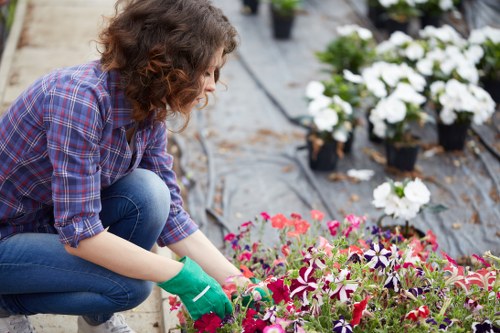 Gardeners Winchmore Hill is committed to practical sustainability in every part of our work, from the way green waste is handled to the vehicles we use on the road. Our approach to garden recycling is built around reducing landfill, recovering useful materials, and supporting local reuse wherever possible. We aim for a minimum recycling rate target of 90% across suitable organic and recyclable materials collected from jobs in the area, with the long-term goal of improving that figure through better sorting, smarter logistics, and stronger partnerships.
In and around Winchmore Hill, there is a growing expectation that outdoor services should be as environmentally responsible as the spaces they maintain. That means making sure soil, branches, clippings, pots, cardboard, and packaging are separated properly before disposal. We align our working habits with local borough waste-separation practices, which often prioritise clear sorting of green waste, mixed dry recyclables, and general refuse. This helps reduce contamination and increases the amount of material that can be recovered for reuse, composting, or specialist recycling.
We also use local transfer stations and licensed waste facilities to keep waste journeys efficient and compliant. By choosing the most suitable nearby transfer points, Winchmore Hill gardeners can reduce transport mileage and improve the traceability of waste streams. Green material such as grass cuttings, hedge trimmings, and prunings is directed through responsible processing routes, while timber offcuts, metal fixings, and recyclable packaging are sorted for appropriate recovery. This careful handling supports both local environmental standards and wider sustainability aims.
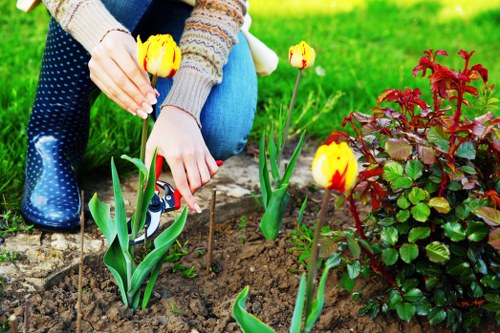 Partnerships with charities are another important part of our sustainability work. Where materials are suitable for second use, we look to charitable organisations that can benefit from reusable tools, plant pots, surplus containers, wooden planters, and other useful items. In some cases, gently used garden equipment or durable materials may be passed on for community projects, training initiatives, or fundraising reuse streams. This kind of circular approach helps reduce waste while extending the life of useful items that would otherwise be discarded.
As part of our commitment to greener operations, our fleet includes low-carbon vans designed to reduce emissions on local journeys. These vehicles support a cleaner service model for regular site visits, maintenance tasks, and waste movement across the neighbourhood. By planning routes efficiently and using low-emission transport, Gardeners Winchmore Hill lowers the environmental impact associated with repeated travel. The result is a more responsible service that complements the area’s focus on greener streets, better air quality, and more efficient resource use.
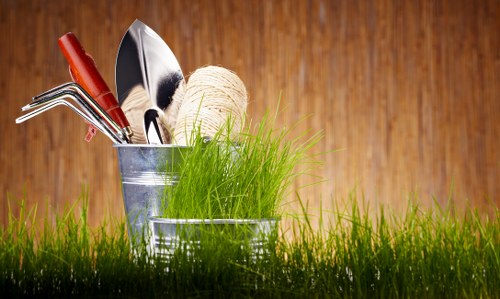 Sustainability also shapes the way we think about materials at the end of a project. Soil that can be reused is stored separately, compostable matter is kept away from non-organic waste, and recyclable metals are identified before loading. When projects involve planters, fencing pieces, or broken garden fixtures, we look for opportunities to sort them into the right recovery stream. In boroughs where residents are encouraged to separate garden waste from household recycling, our working practices mirror that principle by keeping waste categories distinct from the start.
For eco-conscious garden maintenance in Winchmore Hill, sustainability is not a single action but a series of careful choices. The use of reusable sacks, bulk collection planning, and responsible waste transfer all help to reduce the footprint of regular gardening work. Where possible, we favour materials and methods that create less leftover waste in the first place, such as accurate pruning, measured planting quantities, and efficient removal of excess soil or packaging. These small decisions add up to a cleaner system overall.
We also recognise the importance of local recycling infrastructure. Transfer stations, borough collection schemes, and specialist processing points all play a role in making sure waste is treated correctly. In practical terms, this can mean separating green waste from mixed rubbish, keeping plastic plant pots apart from compostable matter, and ensuring that any treated wood or metal is handled through the correct channels. The more accurately materials are sorted, the more likely they are to be recovered in a useful form rather than sent for disposal.
 A greener gardening service should also support community responsibility. By working with charities and reuse partners, we help keep valuable items in circulation and contribute to local good causes where appropriate. This may include passing on surplus planters, reusable containers, or serviceable garden accessories. Combined with our low-carbon vans and recycling-focused processes, this creates a service model that respects the environment while supporting the wider community around Winchmore Hill.
Gardeners Winchmore Hill continues to invest in sustainable methods that make a measurable difference. The focus on a high recycling percentage target, sensible transfer station use, and careful separation of waste materials helps us stay aligned with modern environmental expectations. From compostable green waste to recoverable packaging and reusable garden items, each material is reviewed with recovery in mind rather than disposal as a default.
Our aim is to make Winchmore Hill gardening recycling straightforward, responsible, and genuinely useful for the local area. Whether working with borough-level waste separation routines, directing waste through licensed transfer stations, or using low-carbon vans for collections and maintenance visits, we are committed to reducing environmental impact at every stage. That approach keeps the service practical while supporting a cleaner, more sustainable future for the gardens and green spaces we help maintain.
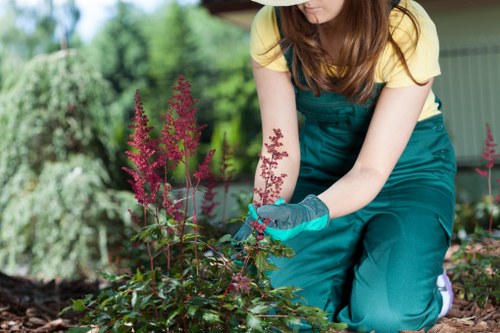 As sustainability standards continue to rise, we will keep improving the way we manage organic waste, recyclable materials, and reusable resources. For us, eco-friendly garden services in Winchmore Hill means more than simply removing waste; it means treating every project as an opportunity to save materials, reduce emissions, and support local circular reuse. That commitment sits at the heart of our recycling and sustainability work.