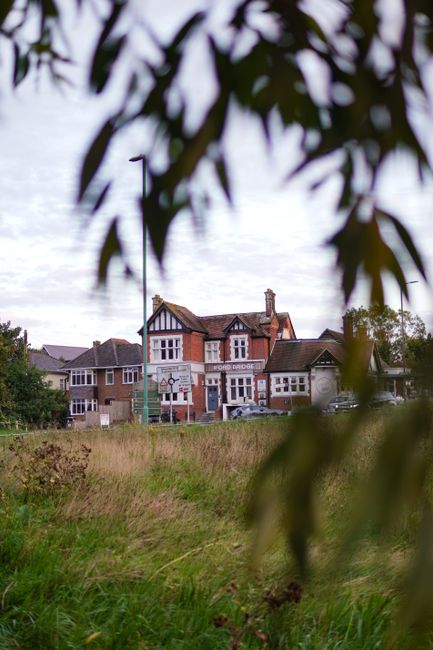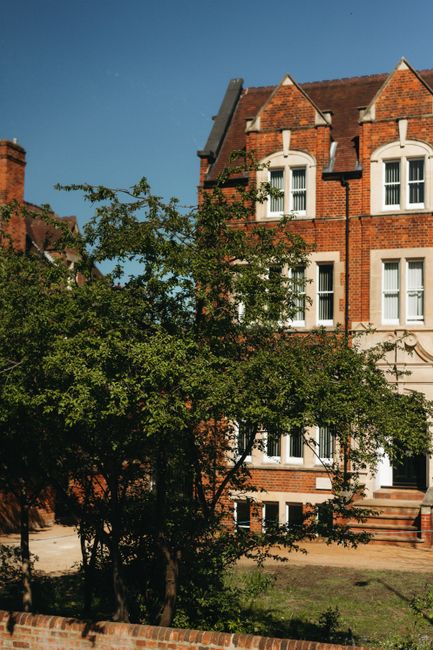
Winchmore Hill garden maintenance for flats on Station Road: a practical guide for tidy, welcoming shared spaces
If you live in a flat near Station Road, you'll know that outdoor space can be a bit of a blessing and a headache at the same time. One week the planting looks fresh and inviting, the next it's weeds, soggy corners, or overgrown edges making everything feel neglected. That's exactly where Winchmore Hill garden maintenance for flats on Station Road becomes more than a nice-to-have. It helps keep shared entrances, planters, courtyards, and small communal gardens looking cared for, safe, and pleasant to use.
This guide breaks down what maintenance for flats actually involves, why it matters in a built-up local setting, how the work is usually organised, and what to look for if you're comparing options. We'll also cover common mistakes, useful tools, and the little details that make the biggest difference. Truth be told, good flat-garden care is mostly about consistency, not grand gestures.
Why Winchmore Hill garden maintenance for flats on Station Road matters
Flat living changes the way outdoor spaces work. You are rarely dealing with a private back garden that one household can manage in its own way. Instead, you may have a shared strip of planting, a front-facing communal bed, paving softened by pots, or a small courtyard that serves several residents at once. That means maintenance has to balance appearance, access, safety, and neighbourly expectations.
On a road like Station Road, first impressions matter. A tidy entrance, clipped hedging, clean paving, and healthy planting can lift the whole building. It sounds obvious, but when maintenance slips, the effect is immediate: weeds push through joints, shrubs shade windows, fallen leaves clog drains, and the space starts to feel less cared for. No one really wants that when they come home after a long commute.
There's also a practical side. In compact spaces, small problems escalate quickly. A bit of overwatering can leave a slippery surface. A loose trellis can rattle in the wind. A hedge left too long can narrow an entrance or block light for ground-floor flats. In other words, maintenance is not just cosmetic. It protects the usability of the space.
If you want a broader service overview, it can help to look at the wider garden maintenance approach and how it fits alongside related work such as patio cleaning and lawn care where relevant. For some buildings, the right mix is simply maintenance plus a little design support from landscaping and regular tidying. Simple, but effective.
How Winchmore Hill garden maintenance for flats on Station Road works
For flats, garden maintenance usually starts with a walkthrough and a sensible conversation. What does the space actually need? Who uses it? Which areas are shared, and which are private? Are there planters, grass, hedges, beds, trees, decking, or hard landscaping? A good plan should match the site rather than forcing a generic routine onto it.
Most maintenance programmes for flat complexes follow a rhythm. Some tasks are weekly or fortnightly, some are monthly, and some are seasonal. The key is not trying to do everything at once. That tends to create a lovely burst of activity and then long stretches of neglect. Not ideal.
In practice, the work often includes:
- mowing or strimming where there is grass;
- weeding beds, paths, joints, and around pots;
- hedge trimming and light shrub shaping;
- deadheading flowers and removing damaged growth;
- leaf clearance, particularly in autumn;
- pressure-free tidy-ups around bins, entrances, and shared walkways;
- checking plant health and spotting issues early;
- keeping surfaces clear and presentation consistent.
For flats, a maintenance visit often has a strong "finish the edges properly" mindset. The details are what people notice: a crisp line along a path, no weeds in the corners, no overhanging branches brushing faces as people pass through the gate. It's a small thing, but it changes how the whole place feels.
Where there are shrubs or boundary planting, regular pruning matters too. If a hedge gets too broad, it starts to eat the available space. If a mature shrub is never thinned out, it becomes sparse or woody at the base. For more on shaping and timing, the site's guide on hedge trimming is a useful companion, and the article on hedge trimming shapes and techniques is well worth a read if you want to understand why a tidy cut is not just a tidy cut.
Key benefits and practical advantages
There are obvious benefits, and then there are the quieter ones that people only notice once they've been living with a neglected outdoor area for a while. Here's the full picture.
- Better kerb appeal: A well-kept entrance makes the whole building feel more inviting, even if the outdoor area is compact.
- Safer movement: Fewer slippery leaves, fewer trips on uneven growth, and clearer walkways.
- Healthier plants: Regular maintenance helps catch pests, disease, and drought stress early.
- Less neighbour friction: Shared spaces work better when they are visibly looked after.
- Lower long-term repair pressure: Catching weeds, moss, and overgrowth early is usually easier than dealing with a bigger problem later.
- Better use of limited space: In flats, every metre matters. Clean lines and sensible planting make a small area feel much larger.
There is also a comfort factor. People tend to use outdoor spaces more when they look welcoming. A couple of planters with healthy structure, a tidy edge, and a bench that isn't buried under leaves can turn a forgotten corner into somewhere people actually pause for a minute. That matters more than many property owners expect.
If your building also has timber features or decked sections, maintenance choices should take the surface material into account. The article on softwood versus hardwood decking is a handy reminder that material choice affects upkeep, durability, and the level of care needed over time.
Who this is for and when it makes sense
This kind of maintenance is not only for large apartment blocks with formal communal gardens. It can make sense for all sorts of flat-based properties in Winchmore Hill, especially around Station Road where space may be shared, visible from the street, or used by several households.
It is a good fit if you are:
- a freeholder or managing agent responsible for a small block;
- a residents' group trying to keep communal space under control;
- a landlord who wants the building to look cared for between tenancies;
- a ground-floor resident dealing with a shared frontage or courtyard;
- someone who wants regular tidy-up work without the hassle of doing it yourself.
It also makes sense seasonally. Spring growth can appear almost overnight. Summer dry spells can make planters look tired. Autumn leaves seem to fall everywhere at once, because of course they do. And winter tends to expose every bit of structure you forgot was there. The point is, maintenance needs shift through the year.
For renters and leaseholders, there's another angle: clarity. If no one is quite sure who is responsible for the shared garden, things drift. A straightforward maintenance plan makes expectations visible. That's often half the battle.
Step-by-step guidance
If you're organising garden maintenance for flats, it helps to break the job into manageable stages. Here's a practical route that works well for compact urban sites.
- Survey the space properly. Identify planting beds, trees, paving, bins, access points, and any problem areas like pooling water or recurring weeds.
- Decide what must stay visible and usable. Entrances, paths, house numbers, windows, and drainage points should remain clear. That's non-negotiable, really.
- Set a schedule. Weekly, fortnightly, and seasonal tasks should be separated so the site doesn't swing between overgrown and bare.
- Prioritise the quick wins first. Weeding, edging, leaf clearance, and cutting back awkward growth often create the biggest visual improvement in the shortest time.
- Treat planting as structure, not decoration. Use plants that tolerate the site conditions and won't overwhelm the limited space.
- Choose low-fuss materials where possible. In small communal areas, durable finishes and simple planting often outperform complicated displays.
- Review after the first few visits. If one area always gets messy or one planter always dries out, adjust the routine rather than ignoring it.
A lot of people overcomplicate the planting stage. They want a full seasonal display in a place that really needs reliability first. To be fair, there is room for colour and charm. But in shared flat settings, the backbone should be sturdy and easy to maintain.
For smaller spaces, especially if you only have a couple of planters or a narrow frontage, it may help to think about shapes and vertical structure. The guide on vertical garden design and the advice in container gardening for small spaces are both practical references for making limited space work harder without making it feel crowded.
Expert tips for better results
Good maintenance is often about small decisions that prevent bigger problems. Here are the ones that matter most on flat properties.
- Keep a consistent edge. Clean edges make even modest planting look more intentional.
- Mulch where suitable. It helps suppress weeds and hold moisture, especially in beds that dry out quickly.
- Use plants that suit shade or wind exposure. Many flats face awkward conditions between buildings, and not every plant likes that. Some spaces are oddly windy. Others are gloomy by late afternoon.
- Don't let one task become the whole job. If all you do is mow, weeds and shrub shape will still drift out of control. Balance is everything.
- Plan for access. Make sure maintenance can be carried out without moving a small mountain of bikes, bins, or stored items first.
- Think in layers. Ground cover, mid-height plants, and occasional vertical interest usually work better than a single flat row of shrubs.
If you're choosing planting for awkward shade, there are some especially useful options in the article on evergreen climbers for shaded spaces. If weed pressure is your main frustration, the post on weed control tips gives a plain-English breakdown of what actually works in real gardens, not just on paper.
And if the space is small but you still want softness and colour, ground cover can do a lot of heavy lifting. The guide to ground covering plants is particularly useful for sites where bare soil keeps turning into an open invitation for weeds.
Common mistakes to avoid
Shared garden spaces tend to go wrong in predictable ways. Once you know the usual traps, they're easier to avoid.
- Only cleaning when it looks bad. By then, maintenance costs more time and effort.
- Using plants that outgrow the site. Fast-growing can sound appealing until it blocks light or spills over paths.
- Ignoring drainage and hard surfaces. Moss, algae, and trapped debris can make communal paths look shabby very quickly.
- Failing to agree responsibility. If nobody owns the task, the task will probably not get done.
- Mixing too many styles. A neat flat garden usually looks better when it is simple and coherent rather than trying to do everything.
- Skipping seasonal checks. Wind damage, winter dieback, and summer drought can all leave signs you should not overlook.
One of the quieter mistakes is over-pruning. It's tempting to take a lot off just to make the area look instantly tidy. But harsh cuts can leave shrubs thin, stressed, and oddly patchy. If in doubt, keep the shape controlled without stripping the plant bare.
Another easy miss: materials. Decking, fencing, and similar features all age differently. If your communal area includes timber, it's worth understanding the upkeep implications before choosing replacement options. The site's decking content and decking services page can help you think through that broader decision.
Tools, resources and recommendations
You do not need a shed full of kit to maintain a flat garden properly. In fact, the best setups are usually tidy, compact, and dependable.
- Hand tools: secateurs, a hand fork, a trowel, and a sturdy weeding tool.
- Cutting tools: shears for light shaping and a hedge trimmer where appropriate.
- Clear-up kit: leaf rake, brush, bags, and a bin-friendly collection routine.
- Watering basics: watering can or hose access for planters and dry spells.
- Protective gear: gloves and sensible footwear, especially around wet paving or thorny shrubs.
The article on useful gardening tools is a nice starting point if you want to keep things simple and avoid buying a lot of kit you rarely use. If budget is a concern, the post on budget garden innovations offers a sensible way to get good results without unnecessary spending.
For a more relaxed visual style, you might also borrow ideas from zen garden style or from outdoor seating ideas if the building has a small shared sitting area. A flat garden does not have to be grand to feel pleasant. It just has to feel cared for.
If your space includes an edible or herb-led corner, the guide to herb layout planning can help you keep things orderly and manageable. And if you're trying to make the garden better for pets or family life, it may be worth exploring the advice on pet-friendly gardening and child-friendly garden ideas.
Law, compliance, standards, and best practice
For a flat block, garden maintenance is not only about presentation. It should also respect shared responsibility, access, and safety. While the exact arrangements vary from one property to another, a few best-practice themes are worth keeping in mind.
First, access must remain practical. Pathways, entrances, and emergency routes should not be narrowed by planting, stored equipment, or overgrowth. Second, any work involving ladders, power tools, or tree pruning should be carried out with proper care and suitable safety procedures. Third, if a building has leasehold or managed communal areas, it is wise to keep a clear record of what is maintained, when it is done, and who agreed it.
For work at height, electrical kit, or heavy clear-ups, reputable providers should have sensible processes in place around safety and insurance. If you are comparing providers, it is reasonable to ask how they handle risk, public access, and site protection. The pages on insurance and safety and health and safety policy are the sort of things a careful reader may want to review before work begins.
Other useful trust pages include terms and conditions, privacy policy, cookie policy, and accessibility statement. These do not directly affect the plants, of course, but they do tell you something about how a business handles its responsibilities and customer information.
When in doubt, best practice is simple: keep shared spaces tidy, do the work safely, communicate clearly, and avoid leaving grey areas around responsibility. That last one causes more friction than people expect.
Options, methods, and comparison table
Not every flat garden needs the same approach. Some sites need routine maintenance only. Others benefit from a slightly more hands-on refresh. Here is a quick comparison that may help you judge what your building needs.
| Approach | Best for | Strengths | Limitations |
|---|---|---|---|
| Routine maintenance only | Small, established communal areas | Simple, reliable, cost-conscious | May not solve long-standing layout or planting issues |
| Maintenance plus light improvement | Spaces that need tidying and a bit of rebalancing | Better appearance, improved plant health, clearer structure | Requires a short initial review and occasional adjustments |
| Maintenance with landscaping input | Problem areas, awkward layouts, or tired communal fronts | Can transform the space and reduce future hassle | Usually more involved at the start |
| Maintenance with tree or hedge work | Sites with larger boundary planting or mature growth | Restores light, safety, and usable space | Needs more careful scheduling and sometimes specialist attention |
For many Station Road flats, the sweet spot is somewhere in the middle: regular maintenance plus a little improvement work where needed. If a shrub bed keeps failing, or a boundary hedge is getting unruly, you may need occasional support from tree surgery or a more focused visit to hedge trimming. And if the site also includes paths or a seating corner, a combined approach with patio cleaning can make the whole area feel better at once.
Case study or real-world example
Picture a modest block of flats near Station Road. The communal front area is small, but it is visible from the street and used daily by residents heading in and out. The planting has decent bones, yet over time the edges have softened, weeds have crept into the paving, and one large shrub is beginning to crowd the path. Nothing dramatic. Just enough to make the place feel tired.
A sensible maintenance plan starts by clearing the obvious clutter: weeds, fallen debris, and overhanging stems. The next visit shapes the shrubs, restores the edges, and checks the planters for dryness and broken growth. A few weeks later, the front feels different. Not flashy. Just neat, calm, and cared for. That matters because people notice these things subconsciously every time they come home.
After that, the trick is consistency. The site doesn't need a complete makeover every month. It needs regular attention so it never slides back to square one. In our experience, that is what makes residents relax a little. They stop worrying about the garden because it is already being handled.
If a block also wants to refresh its wider look, the article on breathing new life into a garden is a good match. It's a reminder that even tired outdoor spaces can be improved step by step, without drama.
Practical checklist
Use this checklist before arranging or reviewing maintenance for a flat garden.
- Confirm who is responsible for the communal outdoor space.
- List the main problem areas: weeds, hedge growth, leaf build-up, slippery paving, tired planting.
- Decide how often each area needs attention.
- Make sure entrances and walkways remain clear.
- Check whether any shrubs, trees, or climbers need specialist care.
- Choose plantings that suit shade, wind, or drought-prone spots.
- Keep tools and stored items out of shared access routes.
- Review the site after seasonal changes, especially spring and autumn.
- Ask for safety, insurance, and process information before work begins.
- Keep the plan simple enough that it can actually be maintained.
Expert summary: For flats on Station Road, the best garden maintenance is usually the kind nobody has to think about all the time. It looks tidy, stays safe, and quietly supports the building without becoming another project for residents to manage.
Get a free quote today and see how much you can save.
Conclusion
Winchmore Hill garden maintenance for flats on Station Road is really about keeping a shared space workable, attractive, and easy to live with. The best results usually come from regular attention, sensible planting, and a clear understanding of what the space can realistically support. You do not need a huge garden to benefit. Even a narrow front strip or a small communal courtyard can feel far better with the right routine.
It's the little things that add up: a clean edge, a healthy planter, a hedge kept in check, a path that feels safe underfoot. When those basics are handled well, the whole building feels calmer. And frankly, that's a nice thing to come home to.
If you are ready to make your shared outdoor space easier to manage and nicer to use, the next step is simple: talk through the site, agree the priorities, and build a maintenance plan that fits the people who actually live there. Small, steady improvements go a long way. They always do.
Frequently Asked Questions
What does garden maintenance for flats usually include?
It normally covers weeding, pruning, hedge trimming, leaf clearance, lawn care where needed, tidying shared entrances, and checking that paths and planting beds stay presentable. The exact mix depends on the site.
How often should a flat garden on Station Road be maintained?
That depends on the size of the space and how fast it grows. Many shared areas benefit from weekly or fortnightly attention in the growing season, then lighter seasonal visits in quieter months.
Is garden maintenance for flats different from a private garden?
Yes. Shared spaces need more coordination, clearer responsibility, and a stronger focus on access, safety, and consistency. You also have to think about neighbours and residents using the same area.
Can small communal gardens still look impressive?
Absolutely. In fact, small spaces often look best when they are kept simple, well-edged, and planted with dependable species. A tidy layout can do more than a crowded display ever will.
What if the area gets very windy or shady?
Then plant choice matters even more. Wind-tolerant and shade-tolerant planting can save you a lot of frustration. The wrong plants in the wrong place will always become extra maintenance, and nobody needs that.
Should residents decide everything themselves?
Usually residents should have a say, especially in shared spaces, but it helps to keep the plan practical. The most successful setups are the ones that match budget, access, and maintenance capacity.
Do I need special permission to maintain a communal garden?
That depends on ownership and management arrangements. For flats, it is sensible to confirm who is responsible before any work starts, particularly if the space is shared or visible from the street.
What are the biggest signs that a flat garden needs attention?
Common signs include weeds in paving, overgrown edges, leaf build-up, tired planters, blocked walkways, and shrubs starting to crowd windows or entrances. If you notice one issue, there are often three more nearby.
Is regular maintenance cheaper than letting it build up?
In most cases, yes. Small, routine jobs are usually easier and less disruptive than a long catch-up session after months of neglect. Prevention tends to be kinder on the budget.
What kind of plants work best in flat gardens?
Plants that are manageable, resilient, and suited to the site conditions. That often means compact shrubs, seasonal structure, ground cover, and container plants that do not overwhelm the area.
Can decked or paved areas be included in garden maintenance?
Yes. In many flat settings, the outdoor area includes hard surfaces as well as planting. Keeping paving clean and free of moss or debris is part of the overall presentation and safety picture.
How do I choose between basic maintenance and a more complete refresh?
If the space is basically functional but untidy, maintenance may be enough. If the layout is awkward, the planting is failing, or access is a problem, a refresh or light landscaping input may be worthwhile. Sometimes the honest answer is that you need both.
Where should I start if the communal area has been neglected for a while?
Start with a clear assessment of the worst issues: weeds, overgrowth, blocked paths, and any dead or broken planting. Then tackle the space in stages. It is much easier to improve a neglected garden gradually than to try and fix everything in one go.
How can I get help with a garden maintenance plan for flats?
The simplest next step is to get an assessment and compare what needs doing with what the site can realistically support. If you want to discuss options, timing, or a maintenance schedule, you can use the site's contact page to make an enquiry and talk it through properly.
There is something reassuring about a well-kept communal garden. It doesn't shout for attention, but it quietly makes everyday life feel a bit better. That counts for a lot.