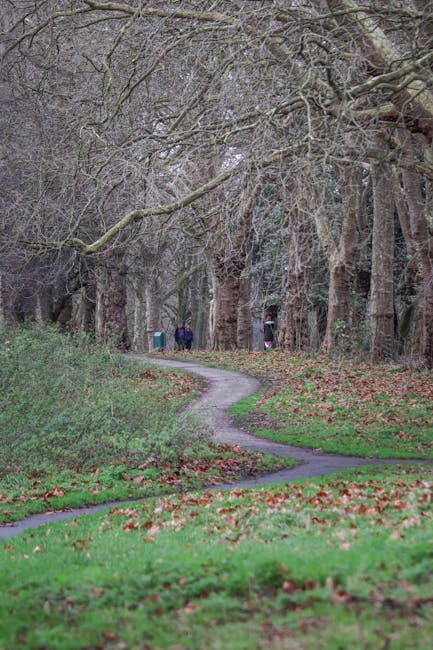
Winchmore Hill gardeners Grovelands Park planting guide: a practical local planting blueprint
If you are looking for a Winchmore Hill gardeners Grovelands Park planting guide, you probably want more than a plant list. You want a plan that actually works in North London conditions: dappled shade, heavier soils in some spots, windy corners, hungry beds, and the odd patch that never quite dries out after a wet week. That is exactly what this guide is for.
Grovelands Park has that lovely, established green feel that many local gardens try to capture - layered planting, calm structure, and plants that look good from spring through winter. In practice, the best planting approach for a garden influenced by Grovelands Park is simple: choose resilient plants, build a reliable structure, and make sure maintenance stays realistic. Not glamorous, perhaps, but very effective.
Below, you will find a full local planting guide for Winchmore Hill gardens, with seasonal advice, plant selection ideas, common mistakes to avoid, and practical next steps. If you are planning a refresh, you may also find useful background in the wider gardening services overview, plus related guidance on ground-cover planting and evergreen climbers for shade.
Table of Contents
- Why Winchmore Hill gardeners Grovelands Park planting guide Matters
- How Winchmore Hill gardeners Grovelands Park planting guide Works
- Key Benefits and Practical Advantages
- Who This Is For and When It Makes Sense
- Step-by-Step Guidance
- Expert Tips for Better Results
- Common Mistakes to Avoid
- Tools, Resources and Recommendations
- Law, Compliance, Standards, or Best Practice
- Options, Methods, or Comparison Table
- Case Study or Real-World Example
- Practical Checklist
- Conclusion
- Frequently Asked Questions
Why Winchmore Hill gardeners Grovelands Park planting guide Matters
A planting guide matters because local gardens are rarely blank slates. Around Winchmore Hill, many properties deal with mature trees, partial shade, boundaries that need softening, and soils that can vary from one end of the garden to the other. A plant that looks wonderful in a sunny showroom border can quickly sulk once it meets a rooty, shaded patch behind the fence. Happens all the time.
Grovelands Park is a useful reference point because it reflects the kind of planting rhythm that works well in this part of London: layered borders, natural-looking edges, evergreen structure, and seasonal flowers that do not demand constant rescue. A good planting plan should feel calm, not crowded. It should cope with typical UK weather swings and still look composed on a grey Tuesday in February. That is the real test.
For local gardeners, the guide also helps avoid waste. When plants are chosen with shade, soil texture, moisture levels, and maintenance capacity in mind, you reduce replacement costs and create a garden that matures properly. If your plot needs broader support, the team behind about us can give more context on the approach, while garden maintenance may be useful if you want a bed kept in good shape rather than left to drift.
How Winchmore Hill gardeners Grovelands Park planting guide Works
The guide works by matching the site to the planting. That sounds obvious, but it is where many gardens go off the rails. Before you buy anything, look at how the space behaves through the day and through the year. Where does the morning sun land? Which areas stay damp after rain? Which spots are dry because of tree roots or overhanging structures? Which places need privacy, colour, or simply less bare soil?
Once you know the conditions, the planting plan becomes much more reliable. In a Grovelands Park-inspired scheme, you usually combine four layers:
- Structure - evergreen shrubs, clipped hedges, or small trees for shape all year round.
- Seasonal interest - perennials and bulbs for colour, movement, and changing texture.
- Ground layer - low planting that suppresses weeds and knits the border together.
- Vertical layer - climbers, fences, arches, or wall planting to use height properly.
That structure matters because it gives the garden a sense of belonging. Without it, even expensive planting can look scattered. If you are working with a tighter footprint, container gardening for small spaces and vertical garden ideas can help you build layers without overcrowding the ground level.
In simple terms, the guide is less about buying "the best plant" and more about building a plant community that suits your garden's behaviour. That shift in thinking makes a massive difference.
Key Benefits and Practical Advantages
A well-planned local planting scheme brings more than visual appeal. It can make day-to-day garden care easier, improve privacy, and create a more comfortable outdoor space for people, pets, and wildlife. Here are the practical wins that matter most.
- Better plant survival - plants matched to shade, soil, and moisture settle faster and look healthier.
- Lower maintenance - strong ground cover, mulching, and realistic planting density reduce weeding and watering pressure.
- Year-round structure - evergreen backbone planting stops the garden from looking empty in winter.
- Improved privacy - well-chosen hedges and climbers soften overlooking windows and boundary fencing.
- Better use of awkward areas - narrow side returns, shaded corners, and root-affected spots become useful rather than frustrating.
- More wildlife value - pollinator-friendly flowers, berries, and varied foliage support a living garden, not just a decorative one.
There is also a subtle but important benefit: a garden that feels coherent tends to get looked after more consistently. People notice it. They use it more. They trim, water, and tidy it with a bit more pride. Sounds small, but it changes everything.
If you are working on the practical side too, a few related pages may help: lawn care for surrounding grass areas, hedge trimming for boundary structure, and tree surgery where mature trees are affecting light or root competition.
Who This Is For and When It Makes Sense
This kind of planting guide suits a fairly wide mix of people, which is probably why it gets searched so often. You might be a homeowner trying to revive a tired border. You might have just moved into the area and inherited a garden with more gaps than colour. Or you may be trying to shape a family-friendly space that still feels elegant and green.
It also makes sense if you have one of these situations:
- a shaded front or rear garden that needs reliable plants
- a boundary that feels exposed and needs soft screening
- patchy flower beds with too many bald spots
- a sloping or awkward layout that needs stronger structure
- a garden that looks fine in summer but flat in winter
- a pet-friendly garden where planting needs to be sensible, not precious
For dog owners especially, planning matters because some plants are simply not worth the hassle if they are constantly being trodden on or dug up. The advice in creating a haven for dogs is a useful companion read if your outdoor space needs to work for paws as well as people.
It may also suit you if you are trying to refresh a garden on a reasonable budget. A good planting scheme does not need to be extravagant. Truth be told, the most attractive gardens are often the ones that were planned carefully rather than bought all at once.
Step-by-Step Guidance
If you want results that last, work in stages. A thoughtful sequence beats a rushed planting spree almost every time. Here is a practical approach.
1. Assess light, soil, and movement
Start by walking the garden at different times of day. Notice where the sun lands, where wind funnels through, and which areas stay damp after rain. Take a close look at soil texture as well. Is it sticky clay, loose sandy soil, or a mixed urban soil with rubble in it? Around London, that last one is more common than people expect.
2. Decide the garden's main job
Do you need privacy, colour, scent, low maintenance, or wildlife value? Most gardens need a mix, but one goal should lead the design. If you make everything the hero, nothing stands out. For example, a shady side return may be better used for evergreen climbers and ground cover, while a sunny main border can carry perennials and herb planting.
3. Build the structure first
Choose the larger shapes before the smaller details. That usually means hedging, evergreen shrubs, small trees, or trained climbers. This is where you create the garden's outline. A strong outline makes the rest of the planting feel intentional.
4. Add medium-height plants for rhythm
Perennials and small shrubs do the bridging work. They connect the structural plants to the ground layer. Pick a blend of leaf shapes and flowering periods so the border stays interesting for more than a few weeks. A single burst of colour is pleasant; a sequence of interest is better.
5. Finish with ground cover and mulch
Ground cover reduces bare soil, and bare soil is where weeds love to move in. Good coverage also makes beds look finished faster. If you want ideas, these ground-covering wonders for UK gardens are a very handy starting point. Add mulch around plants to conserve moisture and calm the whole border visually.
6. Set a maintenance rhythm
Even low-maintenance planting needs a rhythm. Water new plants properly, deadhead where needed, trim lightly, and keep an eye on weeds before they get established. A little routine beats a frantic rescue job later. Every gardener knows that, usually the hard way.
Quick summary: assess the site, pick one main purpose, build structure first, layer in mid-height planting, then finish with ground cover and ongoing care. Nice and steady wins here.
Expert Tips for Better Results
Small refinements often separate an average border from a really good one. These are the details local gardeners tend to notice once they have done a few projects and seen what lasts.
- Use repetition deliberately. Repeating a few plants across the border creates calm and makes the design feel more mature.
- Mix leaf shape, not just flower colour. Long, glossy, feathery, and rounded foliage create texture even when flowers are resting.
- Plan for winter first. If the garden still has structure in January, you have probably chosen well.
- Do not crowd the border too early. Plants need space to grow into, or the whole thing becomes a wrestling match.
- Think about viewing angles. What looks neat from the patio may look thin from an upstairs window, and vice versa.
- Layer scent near paths and seating. That one move changes how the garden feels on a warm evening.
For borders that need more vertical interest, climbers can be a lifesaver. They turn blank fencing into something far softer, especially where shade makes flowering shrubs reluctant. If that sounds familiar, it is worth reading the shade-climber guide and, if you are building stronger edges, privacy hedge ideas.
A tiny practical note: in the first year, some plants will look a bit modest. That is normal. Gardens are not instant. They settle, then they sing. Well, eventually.
Common Mistakes to Avoid
Most planting problems are preventable. The issue is rarely one dramatic error; it is usually a cluster of small ones. Here are the biggest traps.
- Choosing plants for a catalogue look rather than the actual site - gorgeous photos do not tell you if a plant hates dry shade.
- Ignoring mature size - that tiny shrub can become a very large obstacle.
- Planting too shallow or too deep - both can stress roots and slow establishment.
- Leaving bare soil exposed - weeds will not leave you alone just because the rest of the garden looks tidy.
- Overwatering established plants - plenty of plants prefer a soak-and-settle approach, not constant fussing.
- Forgetting seasonal interest - a spring-heavy border can look sleepy for the rest of the year.
- Using too many unrelated plants - variety is good, but chaos is not.
Another mistake is overlooking maintenance access. If you cannot reach the back of the bed comfortably, you will eventually stop maintaining it properly. That is just human nature, no shame in it. Design for real life.
If your garden already has overgrown areas or a tired layout, the article on breathing new life into a garden may help you decide whether to renovate in stages or start with a more thorough reset. And if hedges have gone wild, hedge trimming shapes and techniques is a good companion reference.
Tools, Resources and Recommendations
You do not need a truckload of equipment to plant well, but a few decent tools make everything easier and cleaner. Good tools also reduce mistakes. No one plants neatly with a blunt spade and bad timing.
| Tool or resource | Why it helps | Best use in a Grovelands Park-style planting plan |
|---|---|---|
| Sturdy spade and border fork | Improves planting holes and soil preparation | Preparing beds, lifting compacted soil, and setting shrubs properly |
| Hand trowel and gloves | Useful for precise planting and weeding | Perennials, bulbs, edging, and container work |
| Mulch or compost | Helps moisture retention and weed suppression | Finishing borders after planting |
| Watering can or hose with control | Supports establishment without flooding beds | Newly planted shrubs, climbers, and bedding plants |
| Secateurs | For deadheading and light pruning | Keeping borders tidy and encouraging repeat flowering |
| Plant plan or rough sketch | Keeps the design coherent | Useful before any plant purchase is made |
As for planting inspiration, nearby services and guides can help you think more broadly about the whole space. If you need stronger boundaries or a defined perimeter, see fencing. If you are planning hardscape alongside planting, landscaping and patio cleaning can help the finished garden feel coherent rather than half-finished.
One more thing: a simple notebook works better than people think. Jot down what is sunny, what is wet, what failed, what thrived, and what you wish you had planted more of. That little record becomes gold next season.
Law, Compliance, Standards, or Best Practice
Most planting projects are straightforward, but there are still a few sensible UK best-practice points to keep in mind. These are not there to scare anyone. Just the opposite, really - they help keep projects safe and neighbourly.
- Check boundaries before planting large shrubs or trees. You do not want a future argument over overhang or root spread.
- Be careful near walls, drains, and hard surfaces. Roots and moisture movement can create avoidable issues over time.
- Consider access and visibility. Tall planting near paths, driveways, or junctions should not block sightlines.
- Use safe handling practices. Some soils, materials, and pruning jobs are heavier or sharper than they look.
- Work with insurance-aware contractors where needed. If you are bringing in help, it is sensible to understand their safety approach and cover.
Where a project includes heavier work, such as tree reduction, stump issues, or awkward access, it is worth choosing a professional route. The pages on insurance and safety, health and safety policy, and terms and conditions are useful for understanding the standards a reputable local service should be working to.
Best practice, in plain English, means doing the job in a way that keeps the garden healthy now and avoids trouble later. Simple enough, but worth saying.
Options, Methods, or Comparison Table
Different planting methods suit different corners of a Winchmore Hill garden. A good way to decide is to compare the job each method is doing. The right choice is often a combination, not a single answer.
| Method | Best for | Strengths | Watch-outs |
|---|---|---|---|
| Herbaceous borders | Colour, pollinators, seasonal change | Flexible, lively, rich in texture | Can look bare in winter without structure |
| Evergreen structure planting | Privacy, year-round presence | Reliable shape, strong background | Needs careful spacing and pruning |
| Ground cover planting | Weed control, slope coverage, tidy finish | Practical and attractive, low spillover | Can take time to establish fully |
| Container planting | Small spaces, patios, rented homes | Portable, easy to refresh | Needs more watering and feeding |
| Climbing planting | Fences, walls, shade, vertical screening | High impact in limited ground space | Requires support and pruning |
In many gardens, the best blend is evergreen structure at the back, perennials in the middle, and ground cover at the front. Add climbers to vertical spaces and you suddenly have a garden that feels much larger. It is a bit like good interior design, just with mud involved.
Case Study or Real-World Example
Here is a realistic example based on the kind of gardens local teams often see. A family in Winchmore Hill had a rear garden with a shady side return, a sunny seating area, and one long border that had become patchy after years of piecemeal planting. The border looked busiest in May, then faded badly by late summer.
The fix was not dramatic. First, the planting was simplified into three zones. The shaded side return was given evergreen climbers and a low-maintenance ground layer. The central border received a stronger framework of shrubs and a repeated trio of perennials. Near the seating area, fragrance and seasonal colour were concentrated so that the space felt welcoming from the patio.
Within the first season, the garden looked calmer and more intentional. By the second season, the repeated planting began to knit together properly. Weedy gaps reduced, watering became easier, and the family started using the space more often because it no longer felt like a project that had stalled halfway through.
That is the real lesson: a planting plan does not need to be complicated to work. It needs to be coherent, forgiving, and suited to the site. The garden will do the rest, given time.
Practical Checklist
Use this quick checklist before you buy or plant anything.
- Have I checked sun, shade, wind, and damp spots?
- Do I know the garden's main goal: privacy, colour, structure, wildlife, or low maintenance?
- Have I chosen plants that suit local conditions rather than just the look I want?
- Do I have a clear structure plant, middle layer, and ground layer?
- Have I allowed enough space for mature size?
- Will this planting still look good in winter?
- Do I have a plan for watering new plants during establishment?
- Have I reduced obvious weed gaps and mulched the border?
- Is there safe, easy access for future maintenance?
- Do I know when I will prune, feed, and refresh the bed?
If you can tick most of those with confidence, you are in a good place. If not, pause a little. A day of planning can save months of frustration.
Get a free quote today and see how much you can save.
Conclusion
A good Winchmore Hill gardeners Grovelands Park planting guide is really about matching the garden to the place. Once you stop forcing plants into unsuitable corners, the whole thing becomes calmer, greener, and much easier to enjoy. Start with structure, layer in seasonal planting, keep the ground covered, and choose plants that fit your light and soil rather than fighting them.
If your garden needs a fresh start, or just a more thoughtful plan, there is plenty you can do without overcomplicating it. A few well-placed plants, a bit of patience, and a sensible maintenance rhythm will take you a long way. And honestly, that is usually where the best gardens begin - not with a grand redesign, but with one good decision made at the right time.
When the border settles and the first flush of new growth appears, you will know it was worth doing properly.
Frequently Asked Questions
What is the best planting style for a Grovelands Park-inspired garden?
The best style usually combines evergreen structure, seasonal perennials, ground cover, and a few climbers or feature shrubs. That gives you year-round shape with changing colour through the seasons.
Which plants work best in shaded Winchmore Hill gardens?
Shaded gardens generally suit evergreen climbers, shade-tolerant perennials, ferns, hellebores, and reliable ground cover. The key is choosing plants that cope with less direct sun rather than trying to force sunny-border favourites into the wrong spot.
How do I make my garden look more like a landscaped park and less like separate beds?
Use repetition, layered planting, and fewer plant varieties repeated more consistently. Park-style planting feels unified because the same shapes and textures appear in several places, not just once.
Do I need professional help for a planting guide like this?
Not always. Smaller planting jobs can be handled by confident gardeners, but if the site has awkward shade, tree root competition, poor access, or a larger redesign, professional support can save time and mistakes. If you want help, the contact page is the simplest place to start.
How often should I water new plants in the first season?
New plants usually need regular watering during establishment, especially in dry spells. The exact routine depends on the plant, soil, and weather, so it is better to water deeply and sensibly than to sprinkle lightly every day.
What is the biggest mistake people make with planting in North London gardens?
The biggest mistake is choosing plants for appearance alone without checking whether they suit the site. Shade, root competition, and dry urban soil can all make good-looking plants struggle if the match is wrong.
Can I use this guide for a small patio or narrow side return?
Yes. In smaller spaces, focus on containers, climbers, compact shrubs, and vertical planting. The idea is the same: layer the space and avoid leaving it visually flat. Container gardening for small spaces is especially useful here.
How do I reduce weeds after planting?
Use ground cover, mulch well, and avoid leaving large bare gaps between plants. A tidy, densely planted bed is naturally less welcoming to weeds. For more detail, see these weed control tips.
Should I choose evergreen or deciduous plants?
Usually a mix is best. Evergreen plants give year-round structure and privacy, while deciduous plants bring seasonal movement, flowers, and autumn interest. The balance depends on whether the garden needs more definition or more colour.
What if my garden is windy as well as shady?
Then look for tougher planting with flexible stems, sheltered pockets, and stronger boundaries. A wind-resilient design matters more than people think. You may find wind-resistant garden tips helpful when planning the layout.
When is the best time to plant in Winchmore Hill?
Planting can happen across much of the year, but spring and early autumn are often the most forgiving periods for establishment. The best timing depends on the plant type and current weather, so avoid planting into a dry spell if you can help it.
How can I keep the garden looking good through winter?
Choose evergreen structure, add plants with winter stems or berries, and keep the border mulched and tidy. Winter interest is less about flowers and more about shape, texture, and the way the garden holds together when most plants are resting.
Where can I find related help for the rest of the garden?
If you are planning more than planting, useful next steps include garden maintenance, lawn mowing, patio cleaning, and decking services for the harder edges of the garden.